

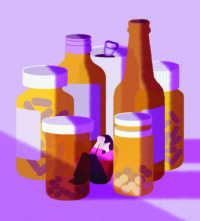
 Untreated drug and alcohol use contributes to tens of thousands of deaths every year and affects the lives of many more people. We have effective treatments, including medications for opioid and alcohol use disorders, that could prevent a significant number of these deaths, but they are not being utilized widely enough, and people who could benefit often do not even seek them out. One important reason is the stigma around those with addiction.
Covid-19 Information and Resources for Legal Professionals
FindLaw’s Covid-19 resource center contains updated information and articles law firms and legal professionals can use during the novel coronavirus outbreak. Below you can find information on working remotely, managing clients, and the legal issues surrounding COVID-19.

FindLaw has significant information available on how to advise clients, manage staff, and work securely away from the office.
You can also assuage clients and answer their questions. From contract disputes to employment to immigration, Covid-19 will have a long-lasting impact on people’s daily lives. The pandemic will result in a host of issues requiring legal assistance.
10 Secrets People in Recovery from Addiction Know that Could Help Us All Survive this Global Pandemic
 People in recovery can teach us a lot about making it through tough times with strength and dignity. Rams in Recovery and The Well are collaborating to share some recovery wisdom we can borrow as we navigate our new reality.
1. The fight is fixed.
Wait, what? Is it really a central tenet of recovery to just give up and accept that things can’t be changed? Well… yes. Many people recovering from addiction must accept that they cannot control their substance use once they start using. This allows them to move forward with a goal of not using at all.
We must take a deep breath and accept the reality of COVID-19 before we can navigate it. That we are quarantined, that we have lost a job, that we are anxious about our loved ones. We do this not out of defeat, but so that we can move forward and find ways to reach out to friends, file for unemployment, or challenge those in power to do better.
The Serenity Prayer, common in recovery meetings, says, “Grant me the serenity to accept the things I cannot change, the courage to change the things I can, and the wisdom to know the difference.” Spiritual or not, we would all do well to live by the spirit of this quote.

Support Guide for COVID-19
A Message About COVID-19 (Coronavirus)
from JLAP
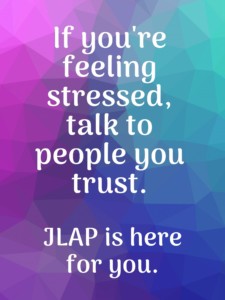
The COVID-19 emergency requires everyone to protect themselves and others from the physical threat of contracting the Coronavirus. But we must also intentionally protect our emotional well-being during these difficult times.
Stress, Anxiety, Depression, Isolation and a natural “Fear of the Unknown” can impact our quality of life and reduce our ability to be resilient and hopeful. The emotional toll of this emergency is also especially challenging for those already managing mental health challenges.
JLAP’s services by phone and internet are 100% operational and will not be interrupted by this crisis. JLAP’s Licensed Professional Counselors and staff are all available by phone and internet to provide professional clinical mental health support and resources to anyone in need.
JLAP has also created the following comprehensive webpage that provides suggestions and numerous links to valuable mental health information to support your well-being and mental health:
Read the Support Guide for COVID-19 here.
As always, all calls to JLAP are strictly confidential and privileged by law. As such, if JLAP can help, please do not hesitate to call us at (985) 778-0571 or email to JLAP@louisianajlap.com

Your Guide To The Massive (And Massively Complex) Opioid Litigation
Make no mistake: The legal fight over liability for the U.S. opioid crisis is only heating up.
An 11th-hour settlement Monday morning averted what would have been the first trial in a landmark federal case, one involving thousands of plaintiffs at nearly every level of government and defendants from every link in the chain of opioid drug production. But all the other lawsuits in the broader case remain on track for courtroom confrontations.
And with the costs of the crisis estimated at tens of billions of dollars and with more than 200,000 overdose deaths since the late 1990s, the stakes are immense — even for people who have never heard of this case. What happens with it will largely determine how much money cities and counties nationwide will have to fight the devastating effects of opioid abuse and when they’ll get it.
But the litigation is also intensely complicated. So let’s begin with the basics.
Click to continue reading this Health News article from NPR.
2019 Annual Conference of the Federation of State Physician Health Programs
JLAP’s Executive Director and Clinical Staff attended the Federation of State Physician Health Programs (FSPHP)
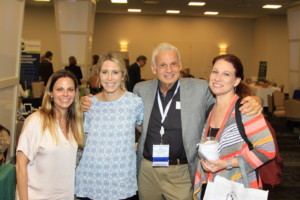
Pictured Above: Lela Brown, Jennifer Gros (JLAP’s Clinical Director), Barry Lubin, M.D. and Jessica Duplantis (JLAP’s Clinical Case Manager).
Researchers investigate why certain brains are more vulnerable to addiction
Can brain science help identify people who may be predisposed to opioid addiction? Researchers say a weak prefrontal cortex makes people more vulnerable to abusing drugs.
A new USC study examines how to identify the people most at risk of opioid addiction and how to best treat those already addicted.
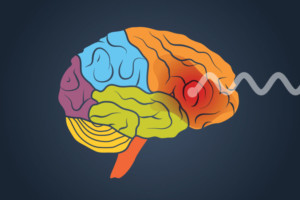
In a report published Tuesday, researchers in neuroscience, addiction and behavioral health laid out the latest research into what makes individuals vulnerable to substance abuse and dependency, along with new discoveries that may hold the key for successful prevention and treatment for those addicted to opioids and other drugs.
The authors noted that, although the use of psychoactive drugs has occurred in almost every society in human history, fatalities from the more recent wave of opioid use are unprecedented. More Americans are dying from overdoses than from car accidents.
Their study, published in Psychological Science in the Public Interest, makes the case that understanding the neurobiological mechanisms underlying drug-seeking behaviors is critical, as is finding evidence-based prevention strategies for opioid abuse in particular and substance abuse in general.
To read the complete Jenesse Miller/USC News article, click here.